Building Operations
Elevators — Maintenance Control Programs: What Condominium Boards Should Know
By Bogdan Alexe ·
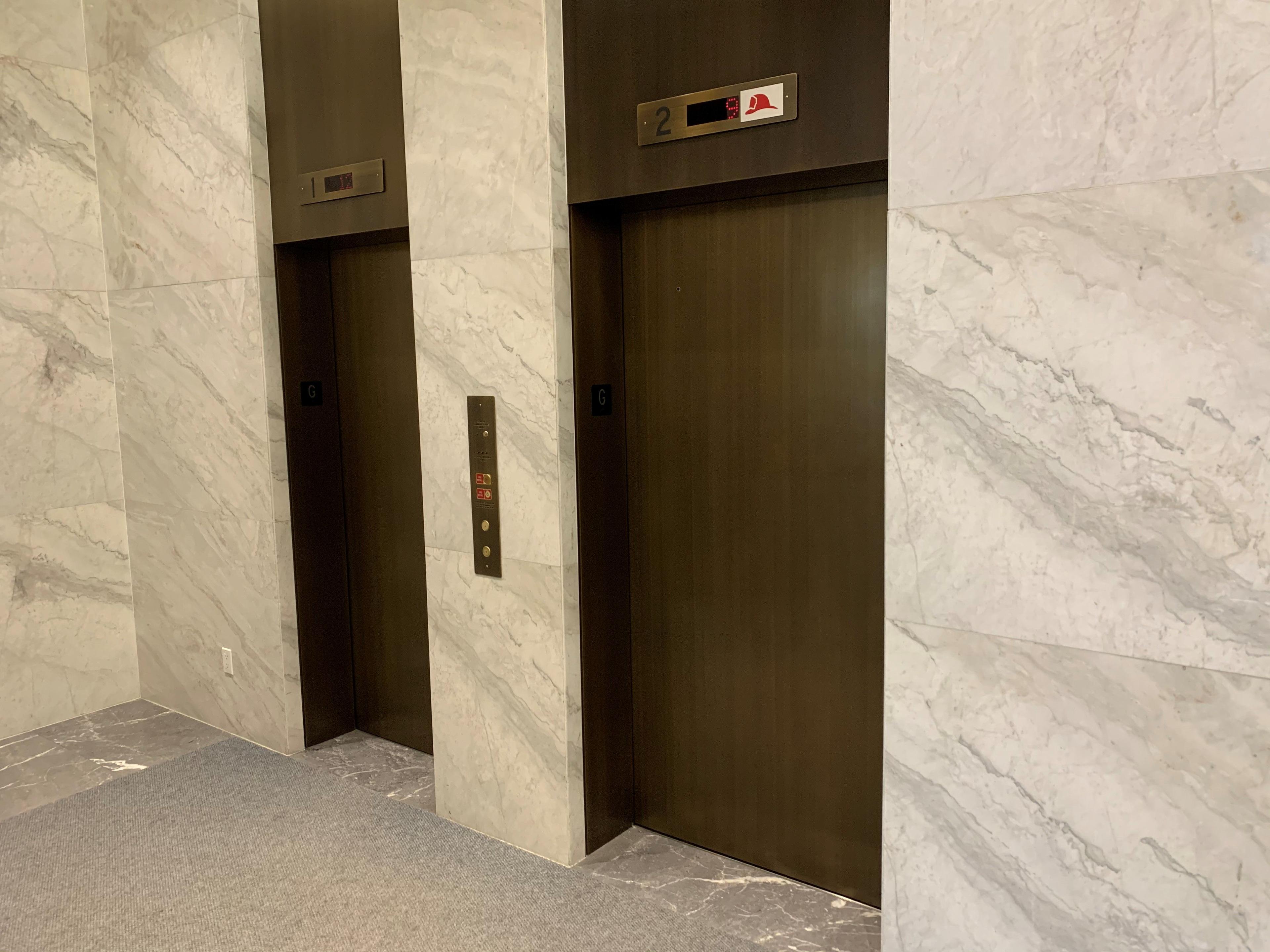
Elevators are among the most important mechanical systems in a condominium building. Residents depend on them every day, and their safe, reliable operation is essential to accessibility, building functionality and resident confidence.
For condominium Boards and property managers, elevator maintenance involves more than responding to breakdowns or renewing a service agreement.
It requires an understanding of the corporation's responsibilities, the condition of its equipment and the maintenance procedures necessary to support safe operation.
An important part of this oversight is the Maintenance Control Program (MCP).
Understanding the Condominium Corporation's Responsibilities
In March 2020, I participated in a webinar organized by BOMA Toronto focusing on elevating devices and Maintenance Control Programs.
The presentation was delivered by Andy Wells of KJA Elevator Consultants, a professional with whom I had previously worked while assisting a condominium corporation with issues involving its elevator service provider.
The presentation reviewed Ontario's elevator safety framework, including the Technical Standards and Safety Act, 2000 and Ontario Regulation 209/01 — Elevating Devices.
Several important responsibilities were highlighted for building owners, including condominium corporations:
- Maintaining appropriate elevator maintenance arrangements.
- Ensuring maintenance and regulated work are performed by properly qualified and authorized personnel.
- Maintaining required equipment records and logbooks.
- Ensuring the equipment has the necessary operating authorization.
- Not permitting equipment to operate when it is unsafe.
- Providing safe access to elevator equipment and associated service areas.
Although a condominium corporation may retain an elevator contractor to perform maintenance, the existence of a service agreement does not eliminate the corporation's responsibilities as the equipment owner.
Boards should therefore understand the scope of the contractor's obligations and ensure that appropriate oversight procedures are in place.
Ontario Regulation 209/01 requires elevator owners and maintenance contractors to maintain appropriate logbooks. Under section 34(2), the logbook must be retained for at least five years from the date of its last entry, and the recorded information must be readily available at the equipment location to inspectors, maintenance mechanics and persons designated by the owner.
What Is a Maintenance Control Program?
A Maintenance Control Program is a structured, equipment-specific approach to elevator maintenance.
Rather than relying exclusively on general maintenance schedules or historical service records, an MCP identifies the maintenance activities, procedures and testing requirements applicable to a particular elevating device.
As explained during the original KJA presentation, the MCP functions as a comprehensive maintenance reference tailored to the equipment installed in the building.
An effective program should address, as applicable:
- Periodic maintenance tasks established by the equipment manufacturer and applicable requirements.
- Procedures for reporting and responding to service requests.
- Equipment-specific inspection, testing and maintenance procedures.
- Required safety testing and associated documentation.
- Maintenance records necessary to demonstrate that required activities have been performed.
The MCP should reflect the actual equipment and its configuration, rather than simply reproduce a generic maintenance checklist.
Ontario's currently adopted elevator safety framework incorporates ASME A17.1-2019/CSA B44-19, subject to TSSA's Code Adoption Document and Ontario-specific amendments. The applicable requirements provide for a written Maintenance Control Program identifying equipment-specific examinations, tests, cleaning, lubrication and adjustments at appropriate intervals.
For additional technical background, see the original KJA Elevator Consultants discussion of Maintenance Control Programs.
Why the Maintenance Control Program Matters
A properly implemented MCP provides a more structured basis for maintaining elevator equipment and evaluating whether required work is being performed.
For condominium corporations, its importance extends beyond regulatory compliance.
It supports maintenance continuity, helps identify outstanding deficiencies and provides a reference when reviewing contractor performance.
The program can also assist management and independent elevator consultants in understanding the equipment's maintenance history and identifying issues that may require further investigation.
However, the existence of an MCP does not, by itself, establish that maintenance has been completed properly.
The corporation must also have reasonable procedures for reviewing maintenance records, following up on deficiencies and addressing concerns identified by qualified professionals.
Understanding the Elevator Maintenance Agreement
One of the most practical steps a condominium Board can take is to understand its elevator maintenance contract.
These agreements can be complex, and the distinction between included services and additional-charge work may have significant financial consequences.
Management and the Board should understand:
- The agreement's duration, renewal provisions and termination requirements.
- The maintenance activities included in the contract.
- Responsibility for inspections, testing and associated charges.
- Emergency service response arrangements.
- Exclusions relating to components, repairs and replacement parts.
- Reporting requirements and access to maintenance records.
- The contractor's obligations concerning the equipment-specific MCP.
Understanding these provisions helps the corporation establish realistic expectations and evaluate whether the contractor is meeting its commitments.
The Value of Independent Elevator Consultants
Elevator systems are specialized, and condominium Boards cannot reasonably be expected to possess detailed technical knowledge of every component.
An independent elevator consultant can provide valuable assistance in reviewing maintenance contracts, evaluating equipment condition and assessing contractor performance.
Consultants can also support capital planning by identifying potential modernization requirements, reviewing equipment reliability and helping the corporation understand the implications of major repairs or replacements.
Independent advice can be particularly valuable when a corporation experiences recurring breakdowns, disputes with its maintenance contractor or uncertainty about the condition of aging equipment.
The objective is not to duplicate the elevator contractor's responsibilities.
It is to provide the Board with an independent technical perspective that supports informed decisions.
Practical Best Practices for Condominium Boards
Based on the principles discussed during the original presentation and their application to condominium management, I recommend several practical oversight measures.
1. Review and understand the service agreement.
Identify the contractor's responsibilities, maintenance frequency, testing requirements, exclusions and reporting obligations.
2. Confirm that the Maintenance Control Program is in place.
Ensure the program is appropriate for the equipment and that management understands how required maintenance and testing are documented.
3. Hold regular contractor performance meetings.
Review recurring service issues, outstanding deficiencies, equipment reliability and planned maintenance activities.
4. Review elevator maintenance records.
Management should periodically confirm that required logbooks and service documentation are being maintained. Technical interpretation and verification of compliance should be undertaken by qualified personnel where necessary.
5. Engage independent professional advice when appropriate.
An elevator consultant can assist with contract compliance, equipment assessments, major repairs and long-term capital planning.
6. Integrate elevator requirements into operational and capital planning.
Maintenance concerns, equipment reliability and anticipated modernization costs should be considered when preparing budgets and reviewing the corporation's reserve fund planning.
7. Confirm that required safety testing is documented.
Certain safety-device inspections and tests are subject to a maximum 12-month interval under Ontario Regulation 209/01, section 33, subject to the applicable exceptions. Other maintenance and testing requirements depend on the equipment and applicable codes. Boards should request confirmation from their elevator contractor or independent consultant that the required activities are current and properly documented.
These measures help establish a consistent approach to elevator oversight without requiring Board members to become elevator technicians.
Better Oversight Supports Better Decisions
Elevator maintenance should not become a Board priority only when equipment breaks down or residents begin reporting repeated service interruptions.
Proactive oversight helps the condominium corporation understand its responsibilities, identify potential concerns and plan more effectively for future expenditures.
The central message remains straightforward:
Get involved. Understand your maintenance agreement. Review the records. Ask questions. Obtain independent advice when necessary.
A well-informed Board, supported by professional management and qualified technical advisers, is better positioned to protect the corporation's assets and maintain reliable elevator service.
Author's note: This article is an updated adaptation of “Elevators — Maintenance Control Program,” originally published by Bogdan Alexe on March 2, 2020, following a BOMA Toronto webinar presented by Andy Wells of KJA Elevator Consultants.
Regulatory Update — November 15, 2026
Originally published March 2, 2020. This article was reviewed and updated on November 15, 2026, to reflect the applicable Ontario elevator safety regulatory framework, including Ontario Regulation 209/01 and TSSA's Code Adoption Document.
The information is provided for general educational purposes. Condominium corporations should confirm current requirements with TSSA and qualified elevator professionals when making maintenance, testing or compliance decisions.This article provides general educational information. Elevator maintenance, inspections, testing and regulatory compliance should be addressed in accordance with current applicable requirements and with advice from qualified elevator professionals.
B1 Management Group provides professional condominium management services throughout the Greater Toronto Area.