Compliance & Risk
Condominium Renovations and Section 98 Agreements: Why Proper Approval Matters
By Bogdan Alexe ·
A Section 98 agreement is a written agreement between a condominium corporation and an owner who proposes an addition, alteration or improvement to the common elements. Its name comes from Section 98 of Ontario’s Condominium Act, 1998, which establishes the framework for these owner-initiated changes.
The agreement addresses how the costs of the proposed alteration will be allocated and sets out the owner’s and corporation’s responsibilities for maintenance, repair after damage and insurance. It helps answer questions that can remain relevant long after the renovation is finished.
This framework is well established. The Condominium Act, 1998 came into force on May 5, 2001. Yet, in my experience, some boards and managers still approve alterations without ensuring that the required agreement is completed and registered.
The consequences may remain hidden for years—until the corporation needs access for repairs, the owner decides to sell, or a new board discovers that the records are incomplete.
Properly addressing an owner’s alteration protects both the individual owner and the condominium community.
Inside Your Suite Does Not Necessarily Mean Part of Your Unit
One of the first questions in any condominium renovation should be: what, exactly, does the owner own?
The answer cannot be determined simply by looking at what is physically inside the suite. The corporation’s declaration and registered description must be reviewed to establish the unit boundaries. The declaration also addresses important aspects of repair and maintenance responsibility.
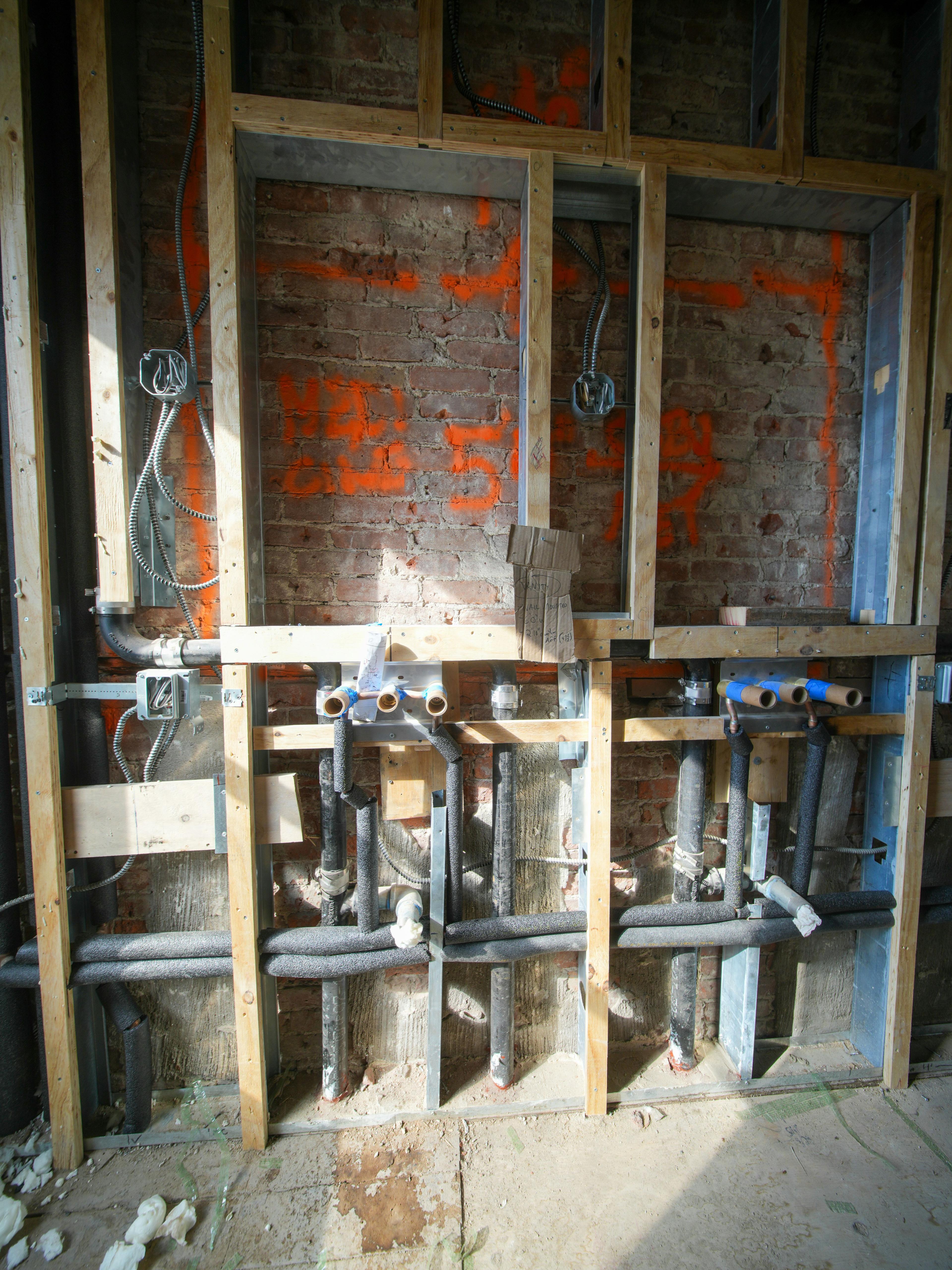
In practice, renovations that deserve careful review include removing interior walls or structural components, changing plumbing and, in some condominiums, removing drywall. Whether particular components form part of the unit or the common elements depends on the corporation’s documents.
An owner may consider a project an ordinary interior renovation while the proposed work actually affects common elements.
The sensible first step is to contact management before arranging demolition or committing to construction. This allows the scope of work and the applicable approval requirements to be identified early.
What the Agreement Should Address
A renovation may take only a few weeks, but the alteration can remain in place for decades.
A properly prepared agreement should make the approved scope clear and address the responsibilities associated with it. Alongside the allocation of installation, maintenance, repair and insurance costs, the corporation and its legal counsel should consider practical questions such as:
- Who will maintain the alteration and repair it when necessary?
- What insurance obligations apply?
- Who pays if the alteration must be removed to allow the corporation to repair underlying common elements?
- Who is responsible for reinstatement after that work?
- What happens if the owner changes the approved design?
- How will the obligations be communicated when the unit is sold?
These matters should be resolved while the renovation is being planned, when everyone has an opportunity to understand the obligations and make informed decisions.
Board Approval and Signatures Are Not the Final Steps
Section 98 requires board approval by resolution and an agreement between the owner and the corporation. Depending on the proposal, additional notice and owner-approval requirements may apply.
Registration is essential: under Section 98(3), the agreement does not take effect until the applicable statutory conditions are met and the corporation registers it against the unit’s title. Section 98(5) makes the agreement enforceable against subsequent owners. The process should therefore provide for registration before work begins, rather than leave it until construction is complete.
This distinction matters. A board’s approval letter, a signed document and a registered agreement are different milestones. A reliable process tracks each of them.
Three Examples of What Can Go Wrong
The following examples come from my condominium-management experience. Identifying details have been omitted.
An Unauthorized Renovation Becomes a Costly Dispute
In one condominium, an owner completed substantial renovations affecting common elements without first securing board approval. The owner subsequently refused to enter into a Section 98 agreement.
The unresolved alterations became an issue when a status certificate was requested for the unit. The certificate disclosed the unauthorized work, and the dispute eventually reached the courts.
The owner ultimately incurred significant expenses for corrective work and legal costs, with legal costs accounting for the largest portion.
The lesson is straightforward: completing construction does not resolve an approval problem. Leaving that problem unresolved can make the eventual consequences considerably more expensive.
An Incomplete Agreement Leaves the Community With Extra Costs
In another condominium, the corporation needed to repair a common element. Accessing the repair area required removing an owner’s alteration and reinstalling it afterward.
A Section 98 agreement was in the corporation’s files, but it had never been signed or registered. In that case, the corporation incurred the additional removal and reinstatement costs.
Having a draft agreement on file had created the appearance of documentation without completing the process.
This example should not be read as meaning that every expense automatically becomes the corporation’s responsibility whenever an agreement is missing. Repair and maintenance obligations must also be assessed against the Act and the declaration, but it demonstrates the financial exposure that incomplete arrangements can create.
Years of Informal Approvals Require an Expensive Cleanup
A third corporation discovered that previous boards and managers had approved numerous owner alterations to common elements without completing Section 98 agreements.
Correcting the situation required much more than drafting a few documents. The corporation had to identify existing alterations, reconstruct historical approvals, establish what work had actually been completed and obtain owners’ cooperation.
Legal preparation and registration followed.
The corporation spent a considerable amount addressing matters that should have been documented when each alteration was originally proposed. Successive boards had inherited an increasingly complicated problem.
Why These Steps Get Missed
In my experience, two recurring factors contribute to incomplete agreements.
First, some boards and managers do not fully understand the importance of the agreement and its registration. They may focus on whether the proposed work appears acceptable without following the documentation through to completion.
Second, owners may resist the additional legal and registration costs. From their perspective, these expenses can seem like another charge added to an already expensive renovation.
That concern is understandable, but skipping the process can leave much larger questions unresolved. Who maintains the alteration? Who pays to remove it for future repairs? What obligations will a purchaser inherit?
Clear explanations at the beginning help owners understand what the agreement is intended to accomplish.
A Checklist Should Begin With Every Alteration Request
Proper documentation starts when the request arrives.
My recommendation is to open a comprehensive checklist for every owner alteration request. The initial review establishes whether common elements are involved and whether a Section 98 agreement is required. From there, the checklist should track the applicable steps through to completion.
A practical checklist should include:
- The owner’s submission: A clear scope of work, drawings, specifications and supporting information appropriate to the project.
- Review of the corporation’s documents: Confirmation of unit boundaries, restrictions and relevant responsibilities.
- Professional review where needed: Engineering, legal or other advice appropriate to the proposed alteration.
- Formal board consideration: A documented decision identifying the approved work and any conditions.
- The required agreement: Preparation and execution by the owner and the corporation, with responsibilities clearly addressed.
- Applicable statutory requirements and registration: Confirmation from legal counsel that the necessary steps have been completed before permission to begin is released.
- Construction and completion records: Required permits, inspections, completion documents and review of any departures from the approved scope.
- Permanent recordkeeping: The final agreement, registration particulars, approved plans and completion records stored together and accessible to future management.
If the proposed work changes, that change should be reviewed before it is carried out. Legal counsel can determine whether the agreement or its registered schedules require amendment.
The checklist should identify who is responsible for each step. Otherwise, everyone may assume that someone else has dealt with registration.
Protecting the Owner and the Community
Owner renovations can improve a home and add enjoyment and value. A clear approval process helps those improvements proceed with an understanding of the responsibilities they create.
Boards and managers need to follow that process consistently. Owners need to submit adequate information, obtain the necessary approvals and understand their ongoing obligations.
Skipping a required Section 98 agreement to save time or money can have consequences for both the individual owner and the community as a whole. Disputes, unexpected repair expenses and the cost of correcting incomplete records can far outweigh the effort involved in getting the documentation right at the outset.
Before construction begins, make sure the approval process is complete—and that the records demonstrate it.
This article provides general educational information about Ontario condominiums. Requirements for a particular renovation should be assessed against the legislation, the corporation’s governing documents and appropriate professional advice.