Board Governance
Managing the Relationship Between the Manager, the Board, and the Owners
By Bogdan Alexe ·
Strong condominium management depends on more than technical knowledge, financial oversight and operational expertise. It also depends on the quality of the relationships between the condominium manager, the Board of Directors and the owners who make up the community.
These relationships are built on trust, integrity, mutual respect and effective communication. They require ongoing attention, particularly when expectations differ or difficult decisions must be made.
For condominium managers, maintaining these relationships is one of the most important—and sometimes most challenging—parts of the profession.
Understanding the Complexity of Condominium Management
Condominium managers operate within a defined legal and contractual framework. Their responsibilities are shaped by the Condominium Act, 1998, the corporation's declaration, by-laws and rules, the management agreement and applicable professional standards.
At the same time, managers work with individuals who bring different experiences, priorities, expectations and perspectives.
The challenge is balancing these human relationships with the obligation to act professionally, consistently and within the corporation's governing framework.
Technical competence is essential, but interpersonal judgment is equally important.
The Relationship Between the Manager and the Board
The Board of Directors is responsible for governing the condominium corporation, while management supports the Board through professional advice, administration and implementation of authorized decisions.
An effective relationship requires clearly defined responsibilities and mutual respect.
Board members may occasionally propose solutions that appear practical but conflict with established procedures, contractual obligations or legislative requirements.
In these situations, the manager's responsibility is not simply to agree.
A professional manager must be prepared to explain the concern, identify the applicable requirements and recommend an appropriate course of action.
How that advice is communicated matters.
An honest explanation delivered respectfully and supported by practical alternatives helps build confidence and reinforces the manager's role as a trusted professional adviser.
Good management is not about agreeing with every Board decision. It is about helping the Board make informed decisions.
The Relationship Between the Manager and the Owners
The manager's relationship with condominium owners presents a different set of challenges.
Managers frequently communicate decisions, enforce rules and respond to concerns on behalf of the condominium corporation.
Not every message will be welcomed.
An owner may disagree with a rule, question a charge or express frustration with a decision made by the Board.
While the manager must respect and administer the corporation's governing documents and authorized decisions, enforcement should never become an excuse for dismissive or unnecessarily confrontational communication.
Owners deserve clear explanations, consistent treatment and professional courtesy.
Listening carefully, acknowledging legitimate concerns and explaining the reasons behind a decision can help prevent a routine disagreement from developing into a larger conflict.
Integrity and compassion are not competing principles. Both are essential to effective condominium management.
The Relationship With Contractors and Service Providers
Condominium managers also depend on productive relationships with contractors, consultants and other service providers.
These relationships require clear expectations, accountability and professional communication.
Contractors should understand the scope of their work, performance expectations, reporting requirements and the standards established by the corporation.
At the same time, management must communicate fairly, address concerns promptly and maintain appropriate professional boundaries.
Strong working relationships do not eliminate the need for oversight. They make effective oversight and problem-solving easier.
Communication Is the Common Foundation
Although the responsibilities and expectations differ, every relationship within a condominium community benefits from the same fundamental principles:
- Honesty: Provide accurate information and communicate concerns openly.
- Respect: Recognize differing perspectives while maintaining professional standards.
- Consistency: Apply established policies and procedures fairly.
- Accountability: Follow through on commitments and address problems when they arise.
- Professional judgment: Balance practical considerations with legal, contractual and governance obligations.
- Trust: Build confidence through reliable actions rather than promises alone.
These principles become particularly important during challenging circumstances, when financial pressures, building problems or disagreements place additional strain on relationships.
Building Stronger Condominium Communities
Successful condominium management is ultimately a collaborative effort.
Boards need reliable information and professional advice. Owners need clear communication and fair treatment. Contractors need defined expectations and effective coordination.
The condominium manager plays an important role in bringing these elements together.
By approaching each relationship with integrity, respect and sound professional judgment, management can help create an environment where problems are addressed constructively and decisions are made with greater confidence.
Strong relationships support better governance. Better governance supports stronger condominium communities.
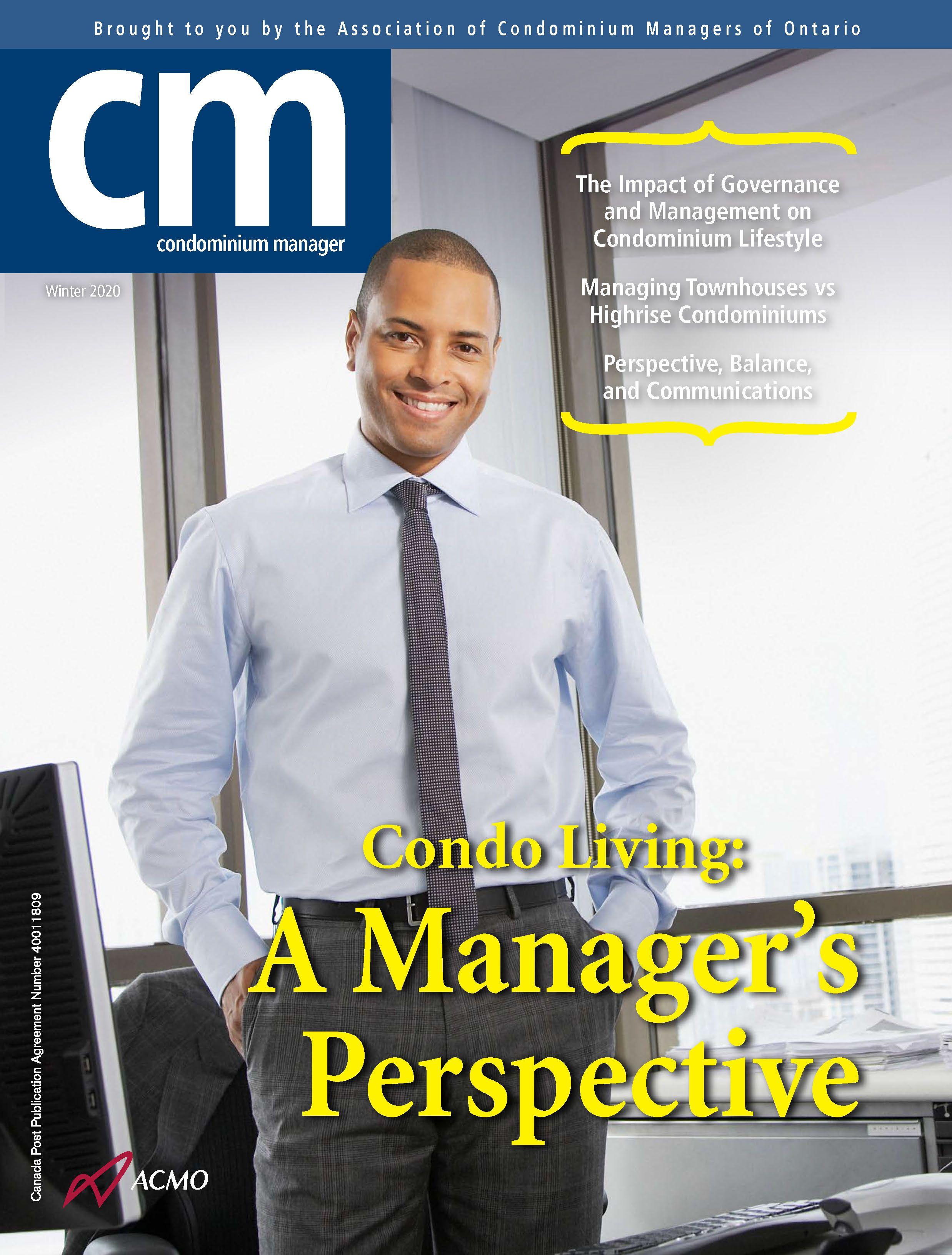
Author's note: This article is an updated adaptation of “Managing the Relationship Between the Manager, the Board, and the Owners,” originally written by Bogdan Alexe and published in the Winter 2020 issue of ACMO's Condominium Manager magazine.
B1 Management Group provides professional condominium management services throughout the Greater Toronto Area.